What’s It Like To Hike in Antarctica?
Published February 6, 2026 03:05AM
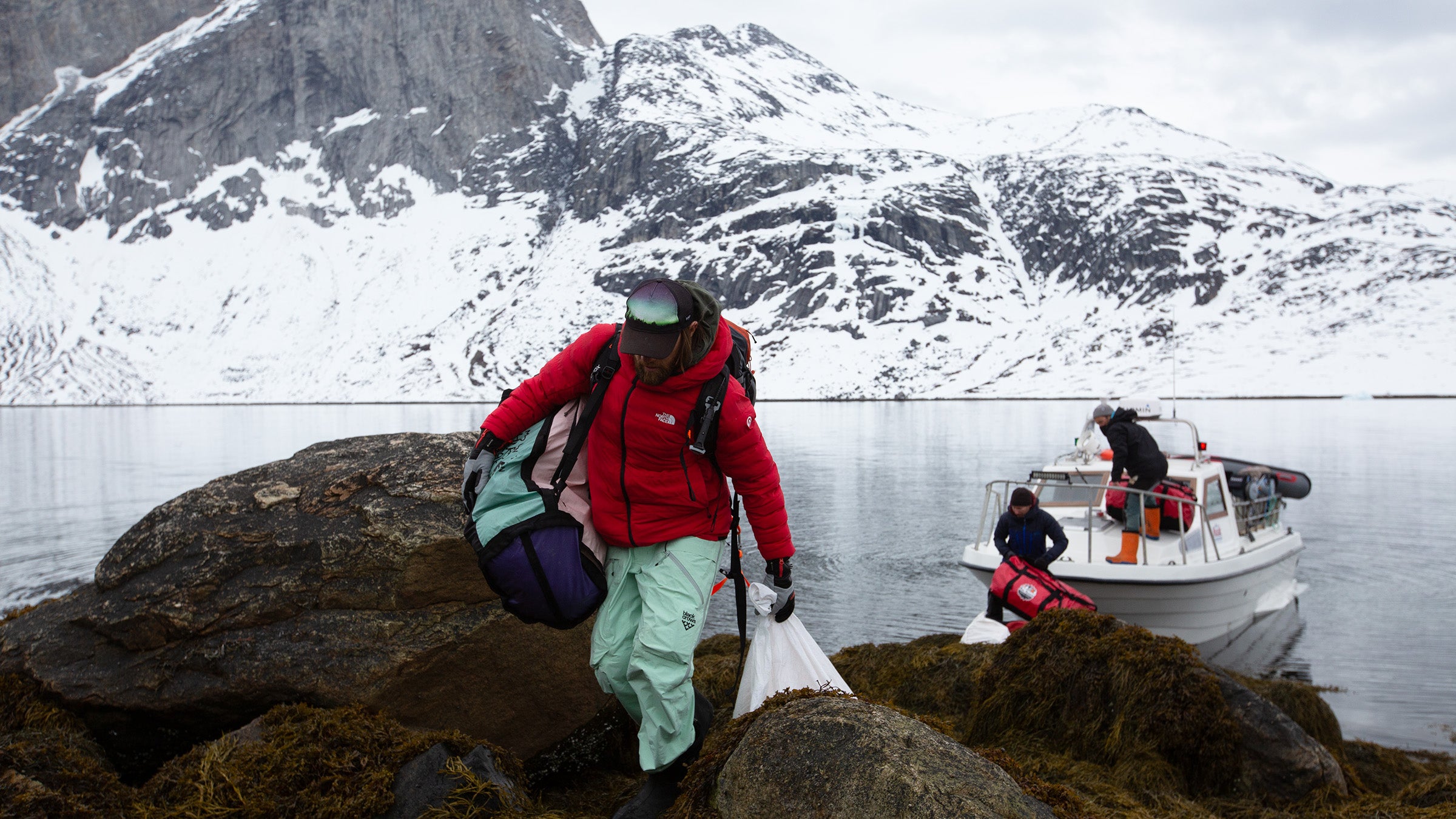
Throughout my life, I’ve been fortunate to embark on many unforgettable treks in bucket-list places like the Himalaya, Patagonia, and UAE’s Hajar mountains. But exploring Antarctica was never something I imagined possible—an unreachable dream. So, when I found myself standing on the shores of the Antarctic Peninsula last February, traveling with Aurora Expeditions while reporting a story for another magazine, I was speechless. It was a glimpse into a world where we let nature exist with minimal human impact.
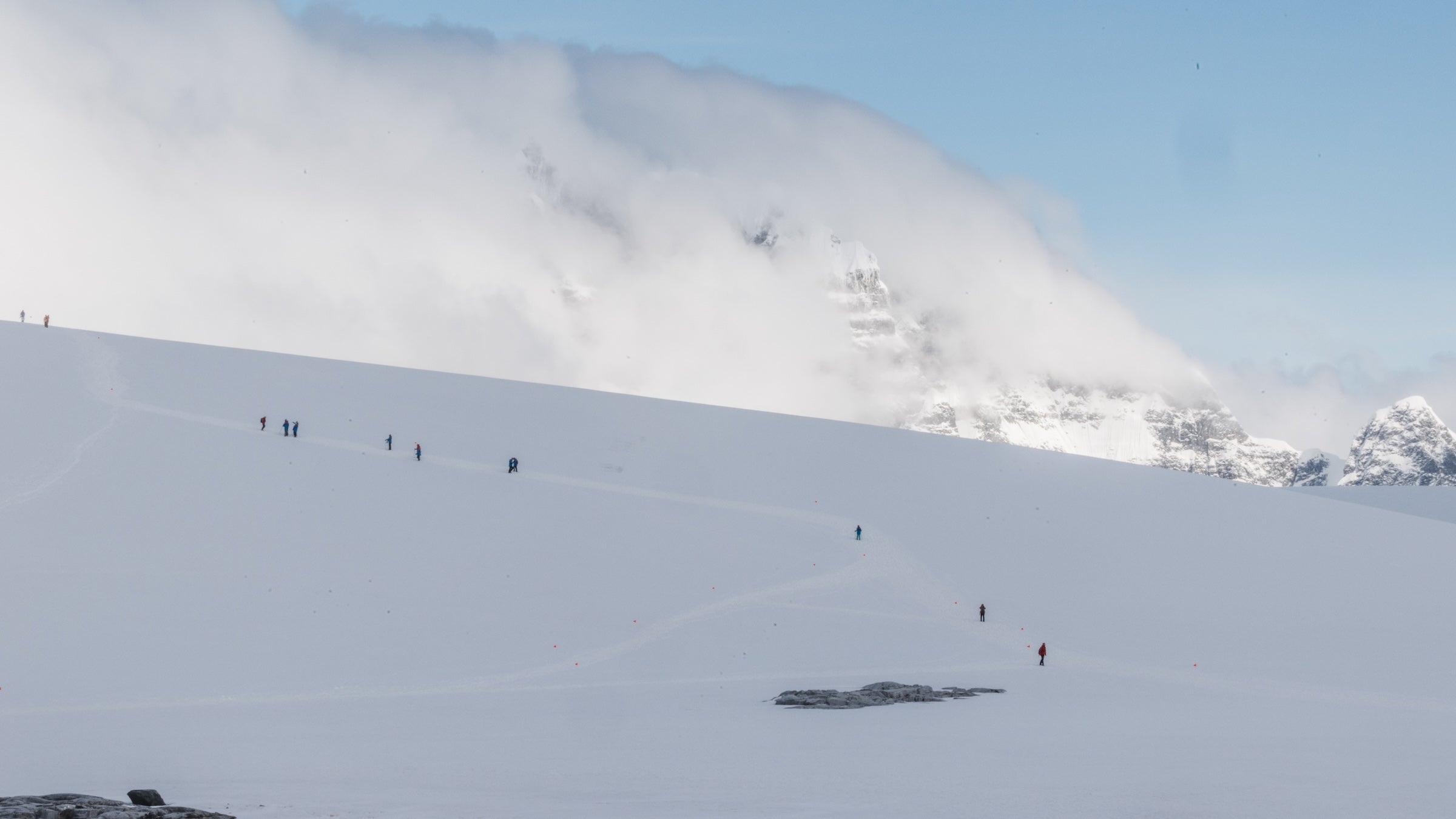
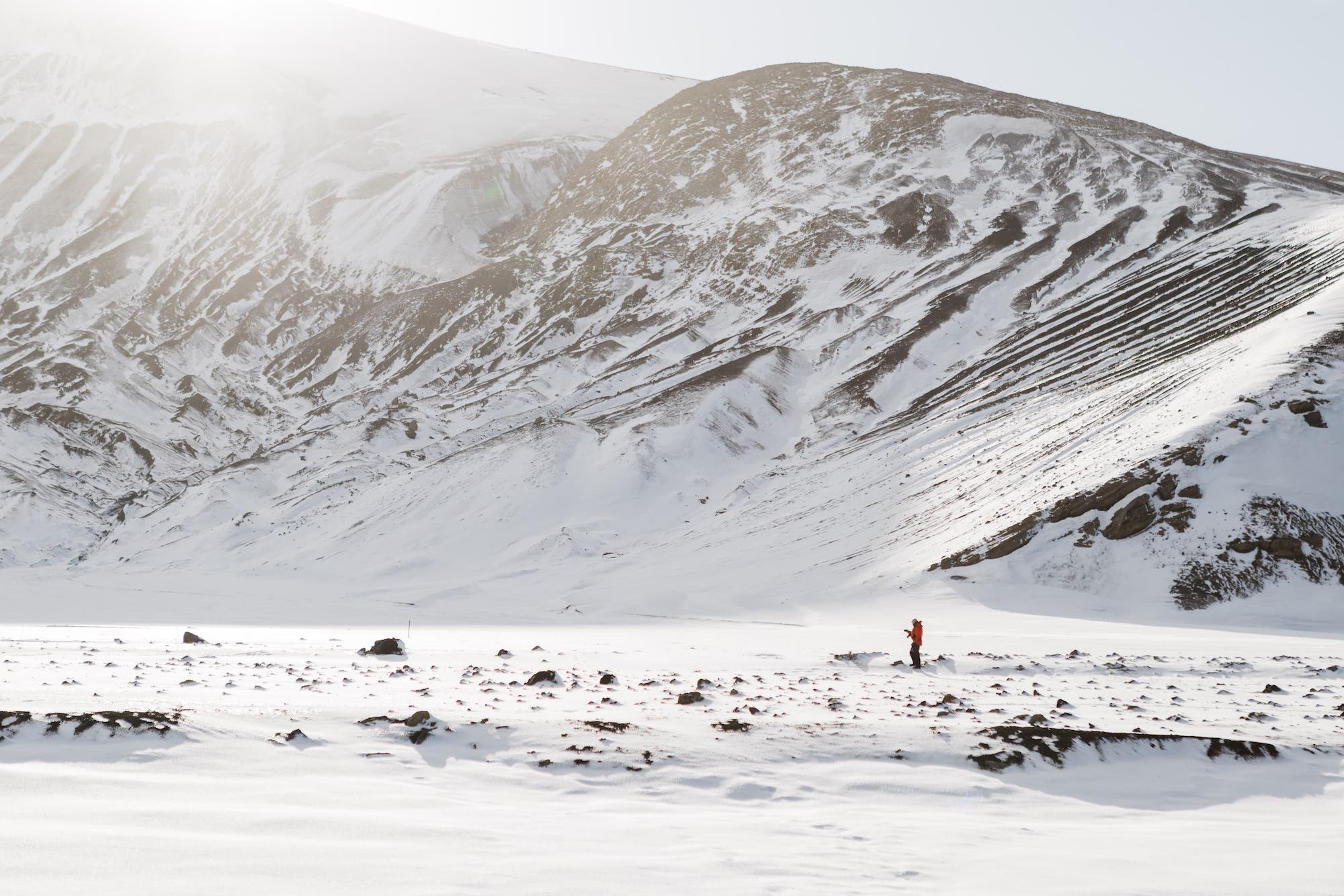
Antarctica commands respect without any theatrics. There are no carved-out routes, summit selfies, mileage markers, or illusions of “owning” the experience. The absence of infrastructure changes everything. Without trail markers or familiar signposts, hiking becomes slow, intentional, intuitive, and almost reverent with every step. You quickly realize Antarctica isn’t about personal capability but about weather windows, ship positioning, boat access, and environmental protocols that shape every moment.
This feeling isn’t accidental but carefully shaped by seasoned polar guides and strict operational guidelines. “In Antarctica, unless we undertake long ski expeditions, activities are limited to just a few miles because technical terrain comes very close [to basecamp],” explains Mariano Curiel, co-founder of Secret Atlas and a veteran of more than 200 polar expeditions. Glacier-cloaked peaks can rise nearly 9,800 feet straight from sea level, meaning even short hikes can quickly become complex and demanding. The payoff? “Mini hikes to elevated points and incredible views, often walking where no one has walked before,” he says. There’s nothing quite like that feeling.
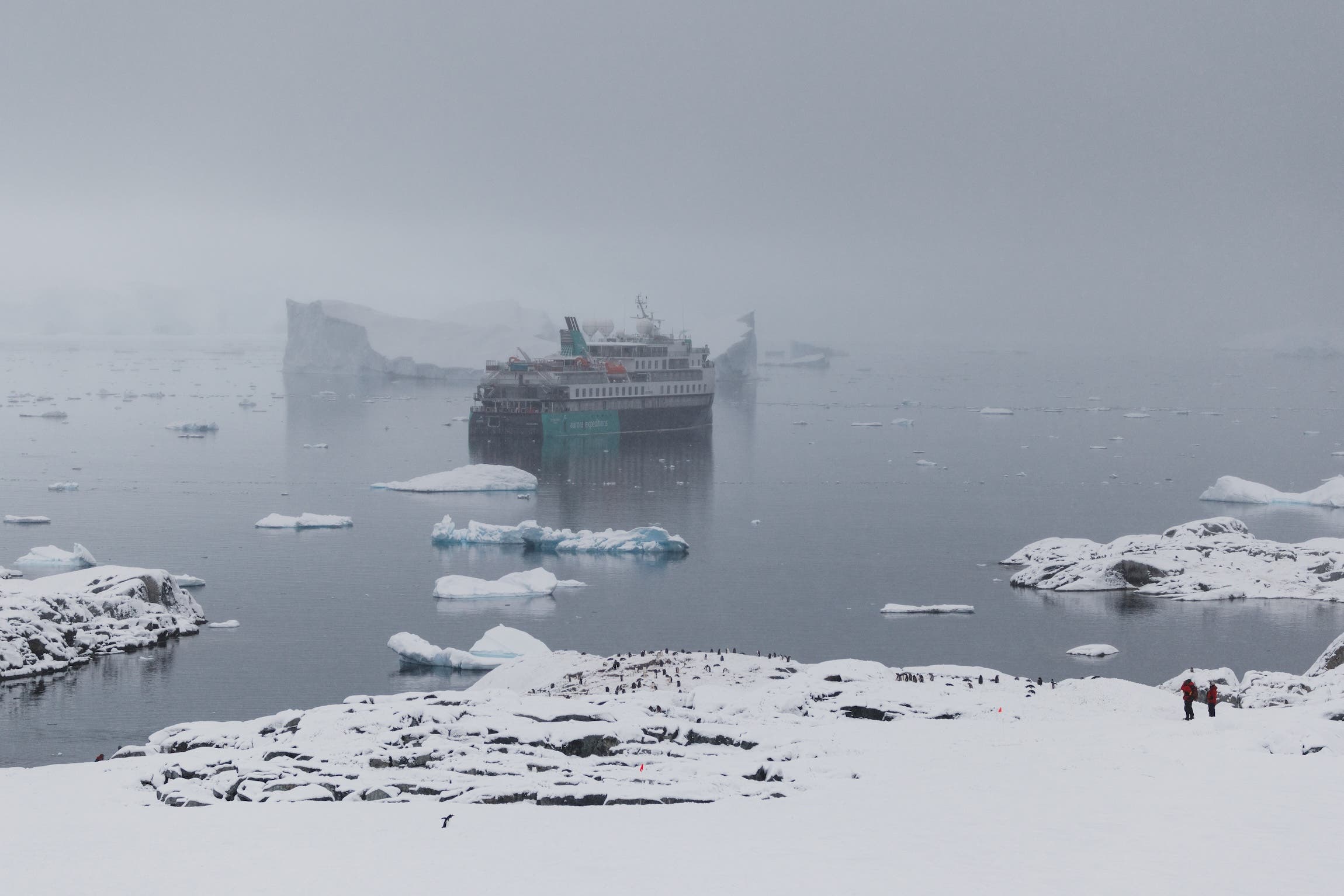
Most expedition cruise companies structure landings to designated coastal sites selected to minimize environmental impact, especially in areas dominated by penguin colonies or coves where whales shelter. Other outfitters, like Antarctic Logistics & Expeditions (ALE), specialize in aviation, field logistics, and guided expeditions to interior Antarctica, even reaching true 90° South. But no matter where you go, stepping ashore is a privilege. There’s an unspoken understanding that we’re not here to roam freely or leave a mark. We’re here to observe, learn, and leave the place exactly as we found it.
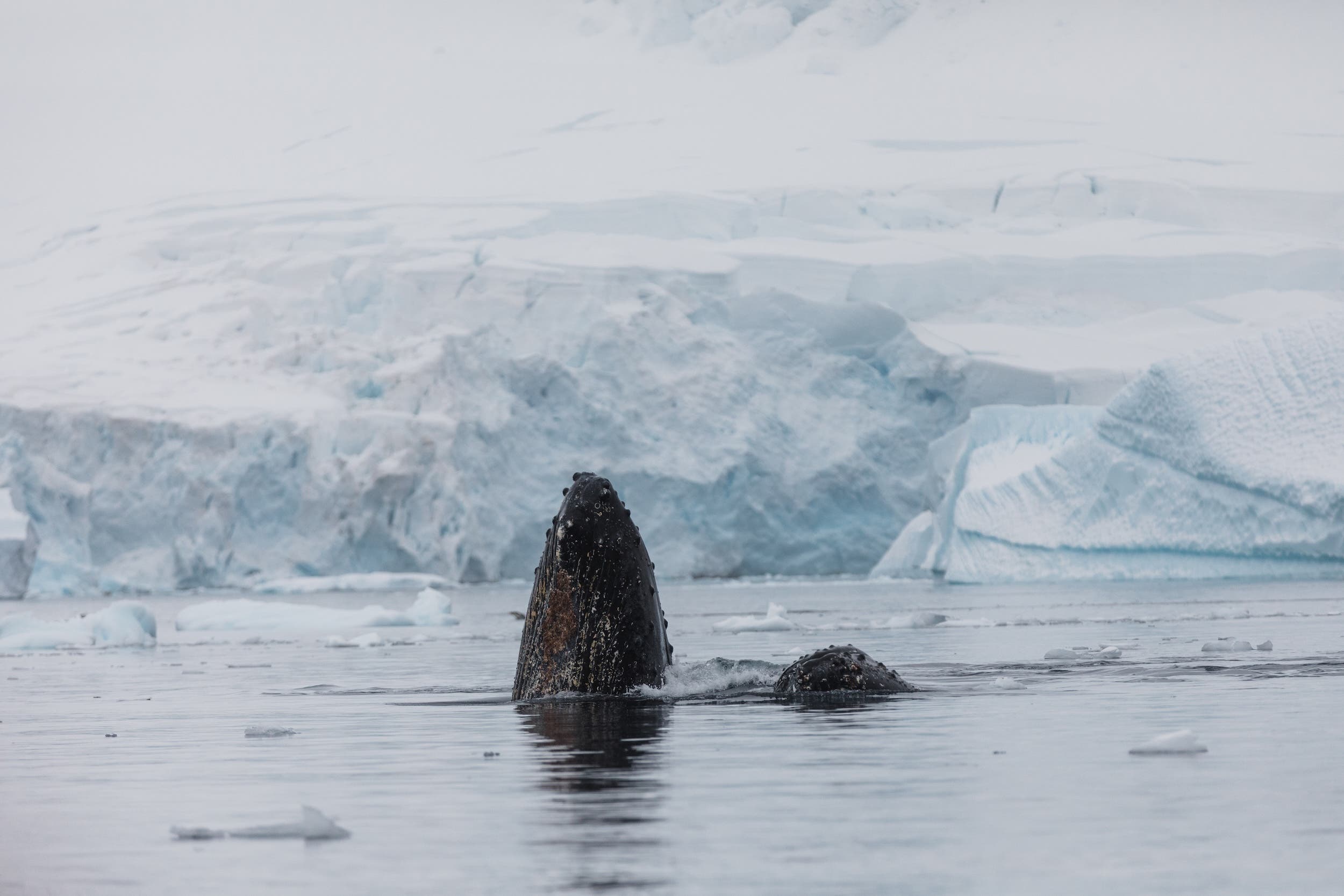
Before every landing, biosecurity checks reinforce just how fragile this ecosystem is. Boots are scrubbed, gear is inspected, and no foreign material is allowed ashore. Travelers are even discouraged from sitting on rocks or snow banks. “Everything is guided by safety and environmental stewardship first,” emphasizes Curiel. I remember a landing at Recess Cove that an overzealous gentoo penguin colony cut short. Luckily, we were rewarded on our return with a pod of curious humpbacks that put on an unforgettable breaching show.
Without any trails, the terrain—made up of mostly ice, snow, and rocks—dictates the pace, and conditions can shift in minutes. “A classic situation is hiking up a snow-covered hill on a beautiful day, only for the snow to harden and become slippery on the descent,” Curiel says, highlighting why pacing, gear, and decision-making are critical.
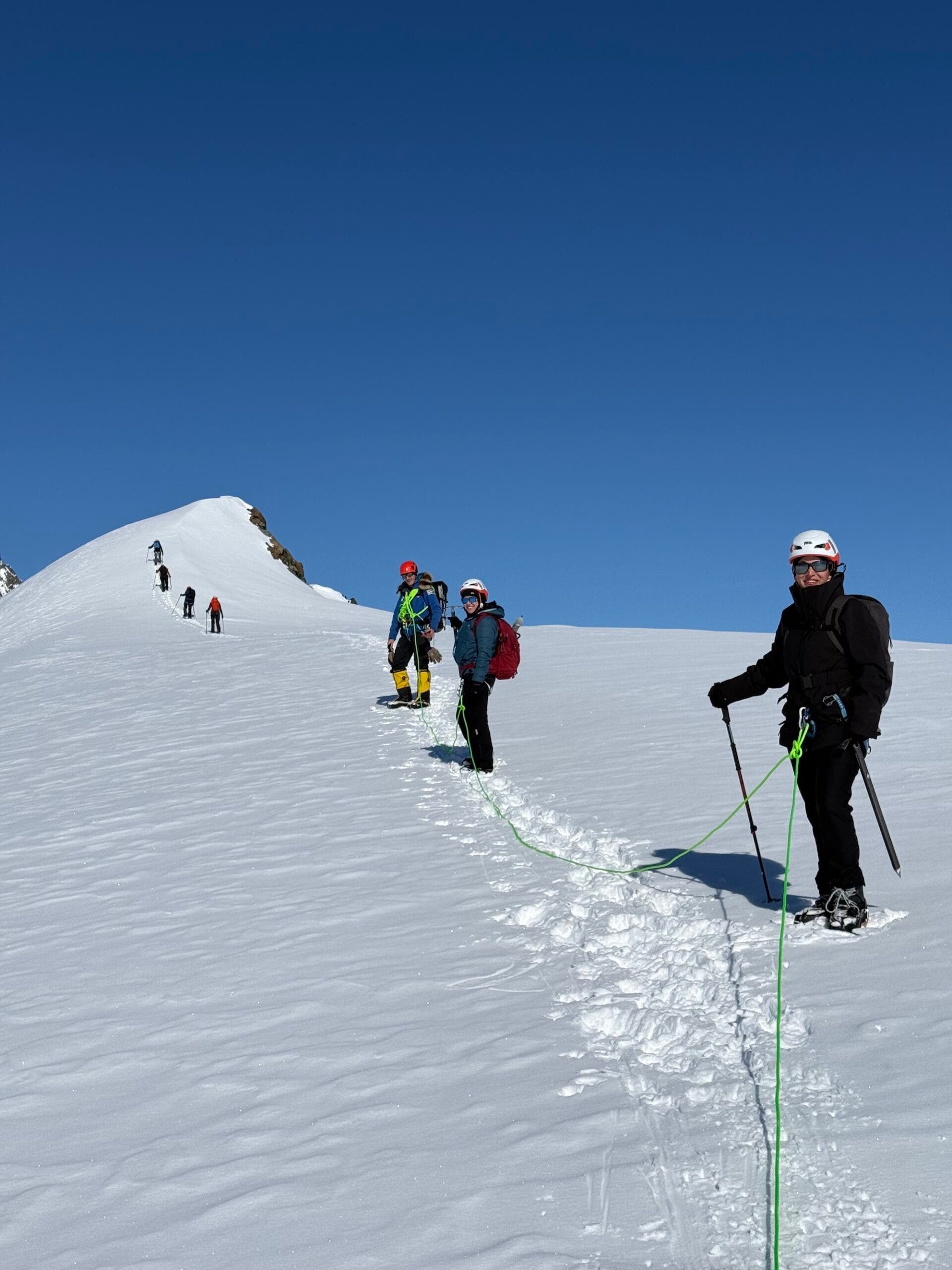
That sense of rarity was something my fellow journalist Laura Dannen Redman experienced on her trek to the upper reaches of Driscoll Glacier with ALE. Hiking single file, tethered together, they reached a plateau with astonishing mountain views, then ascended a spur to the summit where they could see their own snowmobile tracks slicing through the glacial valley below. In Antarctica, moments like that feel both fleeting and sacred.
Amanda Hunter, Polar Expedition Guide and Operations Manager at Terra Nova Expeditions, echoes that Antarctica isn’t about chasing milestones. “It’s about patience, layering properly, pacing yourself, and staying present. The best experiences come when guests slow down and let the place set the tempo,” she says.
And then there’s the silence—not the gentle hush of a forest, but a vast, open stillness. With no phone service, signage, or urban noise, your senses sharpen. You hear the whooshing breaths of humpback whales, the raucous squabble of penguins, and then suddenly the thunderous crack of a calving glacier. Hiking is less recreation and more an exercise in humility. And that emotional weight is something guides like Hunter witness often. “It’s not uncommon to see people cry at that moment,” she says.
Another striking aspect here is the absence of ownership. Antarctica belongs to no single nation. There are no fences, private property lines, or commercial sprawl. In a world shaped by extraction and commercialization, walking in a place that exists outside those systems feels wildly radical. It raises a larger question: What would the rest of the planet feel like if we treated it less as property and more as shared responsibility?
My trip to Antarctica reshaped how I now experience the outdoors. At home, trails suddenly feel louder, parks busier, even remote wilderness areas layered with human presence I hadn’t noticed before. I wonder what nature would look like if left alone and more importantly, what’s at stake if we fail to protect it.
And that philosophy is shaping the future of Antarctic travel. Hunter sees a shift toward smaller, more intentional operations where people have time, space, and context for a transformative rather than transactional experience. Redman notes—correctly, I think—that anyone who comes back from Antarctica feels like an ambassador for it.
“It’s like visiting a natural wonder,” she says. “You leave no trace, pee into your Nalgene so you don’t leave waste behind, respect the land, the people who protect it, and recognize what a rare, special opportunity it is to set foot there.”
link