How 4 Hong Kong hotels help guests discover city’s culture, history and stories
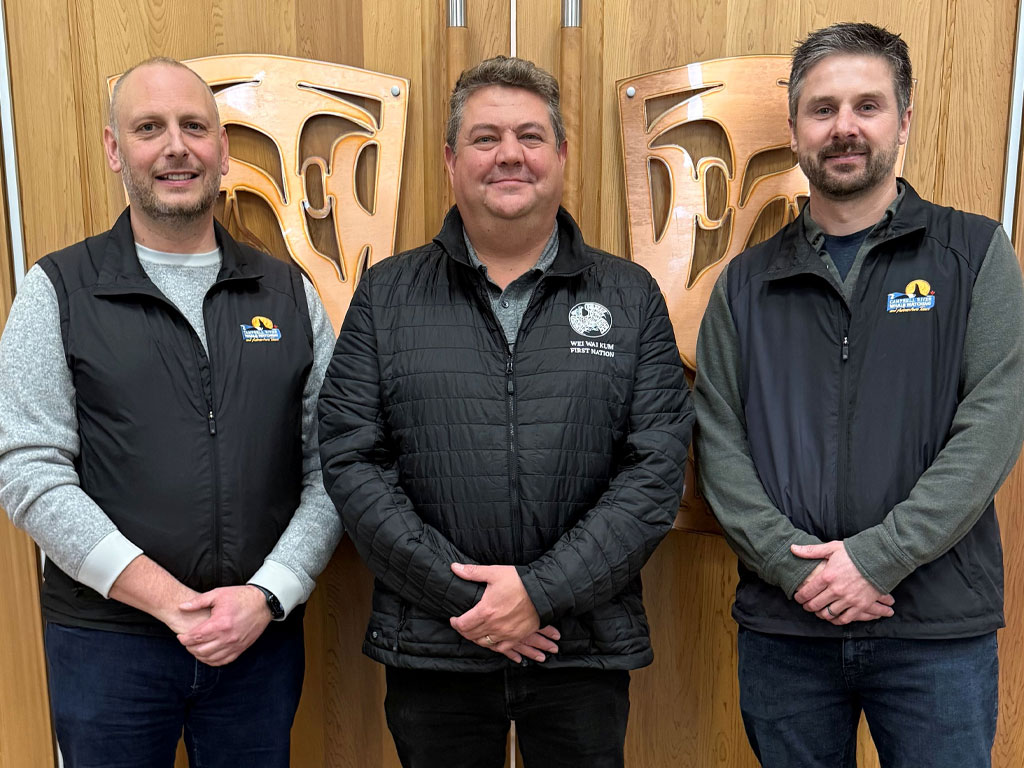
General manager Luc Bollen says the “50 Wonder Trails” guide was compiled in response to an increasing interest from overseas visitors who seek local experiences.
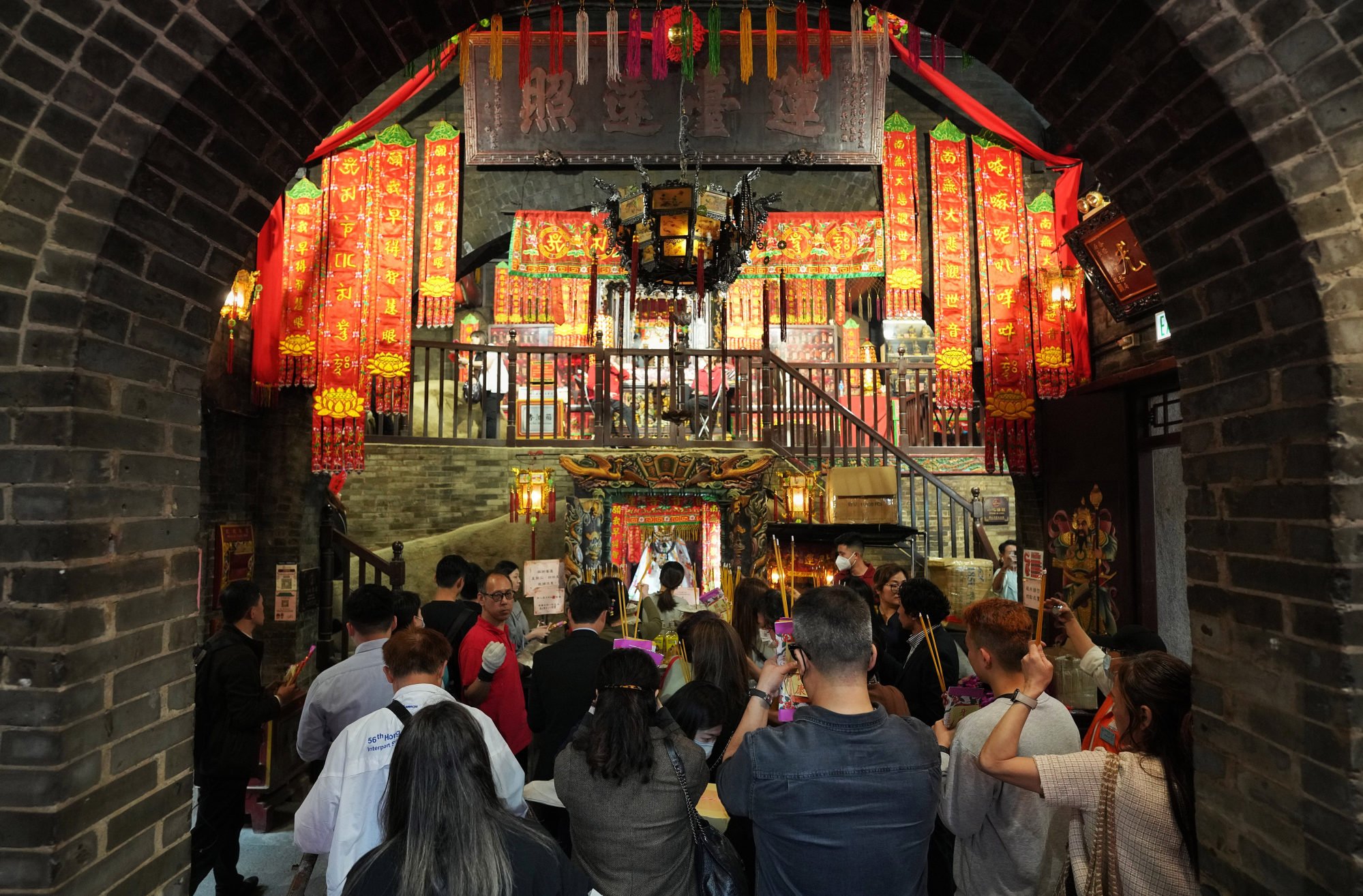
The temple has a beautiful facade and an intriguing origin story: villagers said they kept seeing Kwun Yum, the Goddess of Mercy, appearing on a rock by the sea, so felt compelled to build a temple on the spot.
Also included in the guide is Nose in the Books, an independent book-sharing space where visitors can dive into the city’s literary and cultural scene. The space has many titles about Hong Kong culture and hosts events with local writers.
The hotel’s 50 “trails” – which are in truth individual locations rather than suggested routes – are divided into seven categories: art, wellness, dining, landmarks, “hidden gems”, photo spots and experiences.
“We hope our guests can engage with the Causeway Bay and Tin Hau neighbourhoods in a meaningful way,” Bollen says.
2. Ovolo Hong Kong
Guests who stay in one of Ovolo’s two Hong Kong hotels – in Central and Wong Chuk Hang – are looking for culture and dining experiences with a difference, says Stephen Howard, the group director of marketing at Ovolo Hotels.
To cater to this interest, the hotel has not only curated a list of interesting local businesses but also arranged for perks – such as free drinks and discounts – to be offered to Ovolo guests at each.
The Summer Concierge programme will run until mid-September and Ovolo plans to roll it out again next summer, the goal being to enhance travellers’ engagement with the local community.
Restaurants including Veda, Te Quiero Mucho, Moxie and Arcane are taking part in the programme, as are Lan Kwai Fong nightclubs Dragon-I and Tazmanian Ballroom.
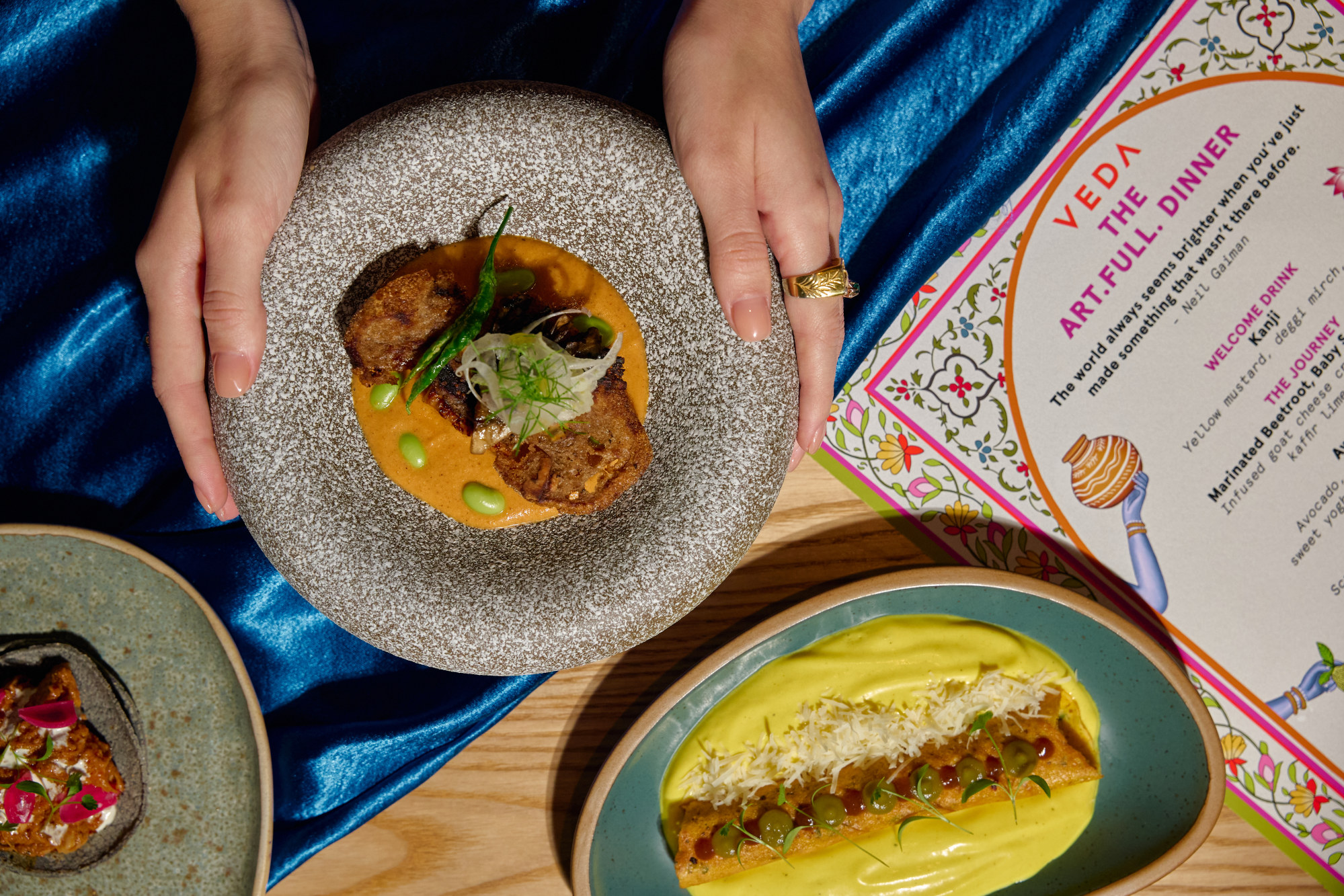
Participants interested in shopping for souvenirs qualify for discounts at stores such as those of lifestyle brand Home Kong, which has outlets on Hollywood Road and in The Peak Tower.
“Since launching we have had new partners wanting to join the programme and we will be looking to bring in even more … given the interest,” Howard says.
3. Mandarin Oriental, Hong Kong
Mandarin Oriental may now be a name seen on 40 hotels around the world, but in the years following the original’s 1963 opening, it was attached to just the one property, in Central.
Today the flagship hotel building looks petite, sitting beneath some of the most famous skyscrapers in the city – such as I.M. Pei’s Bank of China Tower and Norman Foster’s HSBC headquarters – but when it was built, it was the tallest on Hong Kong Island.
Guests are offered an hour-long guided tour that takes a deep dive into the hotel’s history and its place in the history of the city. They are shown unique art pieces and are told lesser-known stories about the hotel.
Beyond its walls, the hotel offers private guided tours to places such as the Liang Yi Museum (free), in Sheung Wan, and the Young Master Brewery (HK$200 per person), in Wong Chuk Hang.
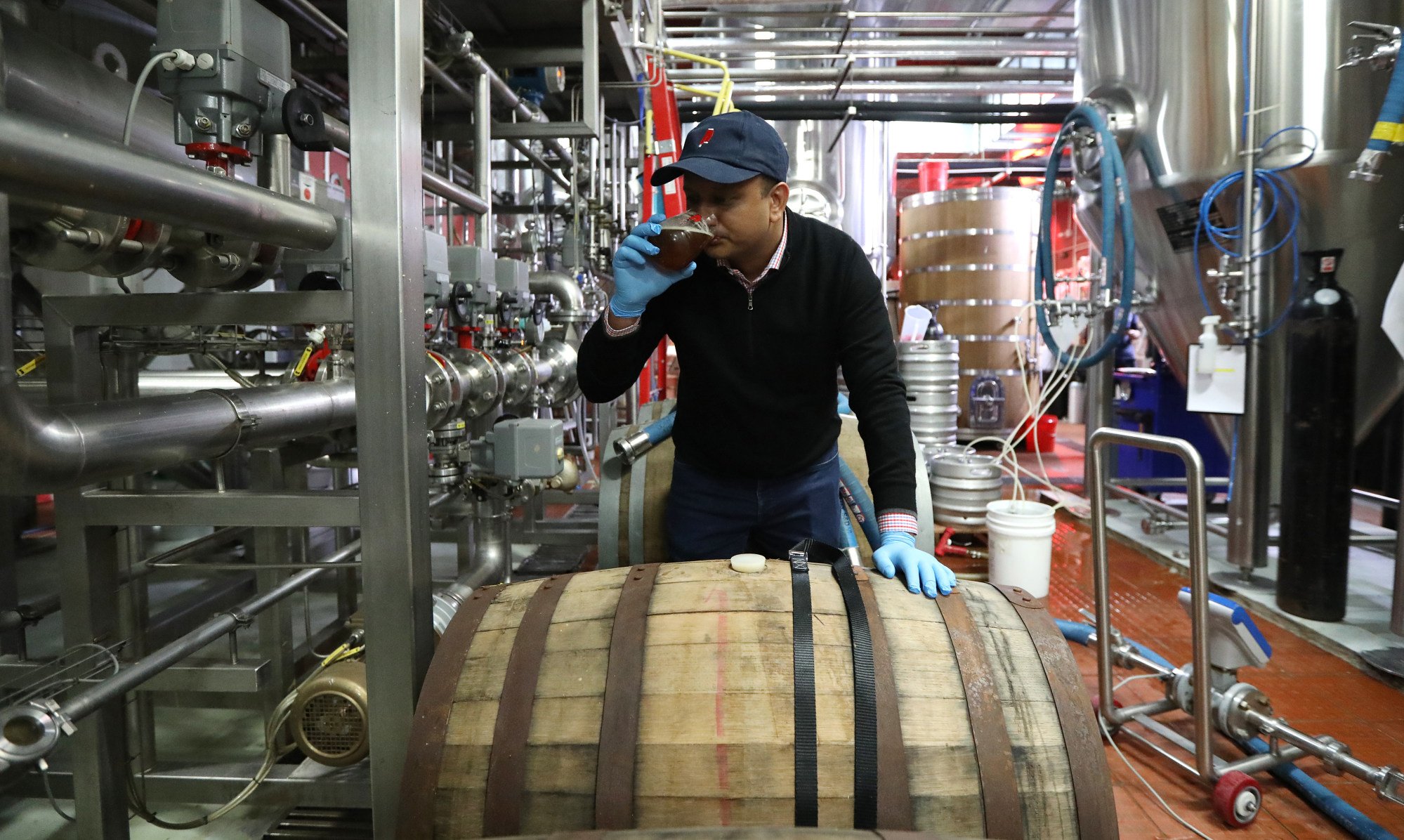
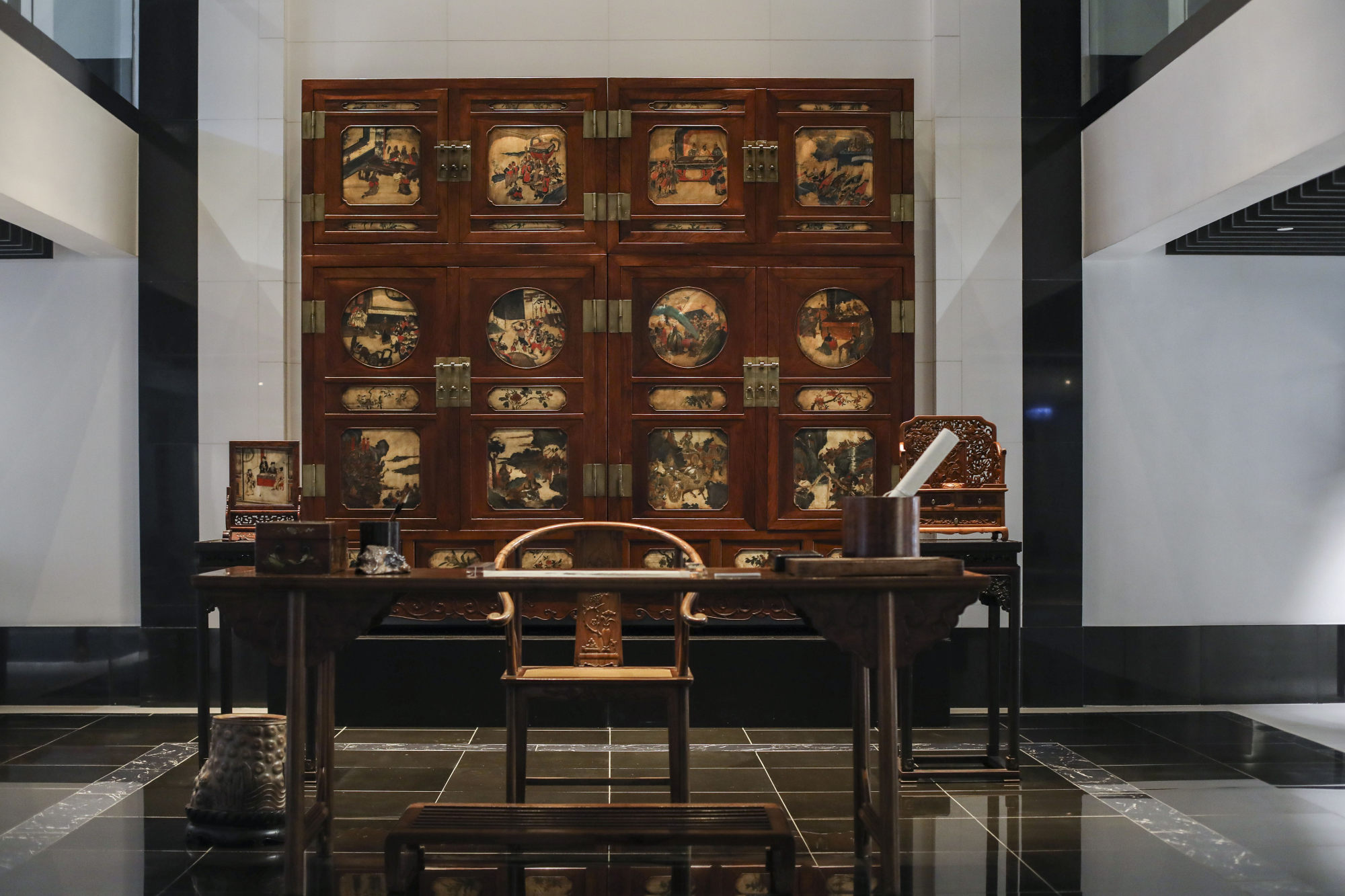
Liang Yi exhibits artefacts from a wide range of cultures, including Chinese, European and Japanese. Young Master – beers from which are served in the Mandarin Oriental’s Captain’s Bar – is one of the rare Hong Kong breweries that does not offer tours to the general public.
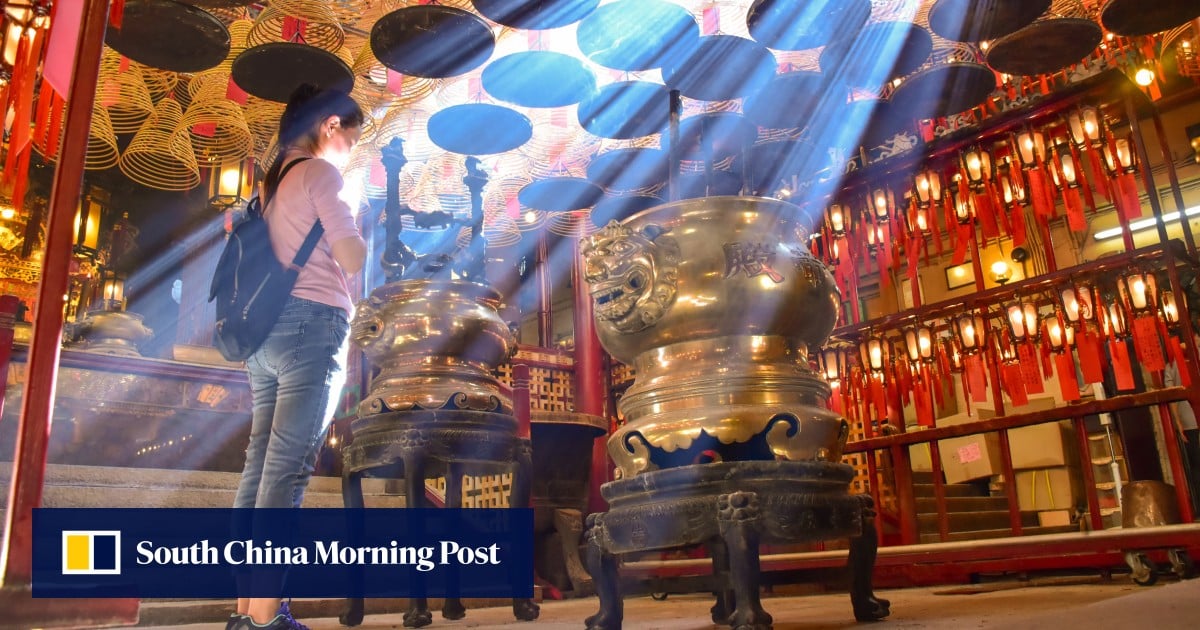
Available to guests and non-guests alike is an audio guide on the hotel’s website that leads listeners on a walking tour of cultural venues in Central such as Tai Kwun, PMQ and the Man Mo Temple. The cultural and historical context of each point of interest is explained and the guide even suggests pit stops for food.
The hotel may no longer occupy the tallest building on Hong Kong Island but it is still located near its highest peak. The hotel offers a Hidden Hike and Picnic experience to guests, wherein they walk up to Victoria Peak Garden and lunch with the city spread out in all its glory below.
4. Heritage Lodge
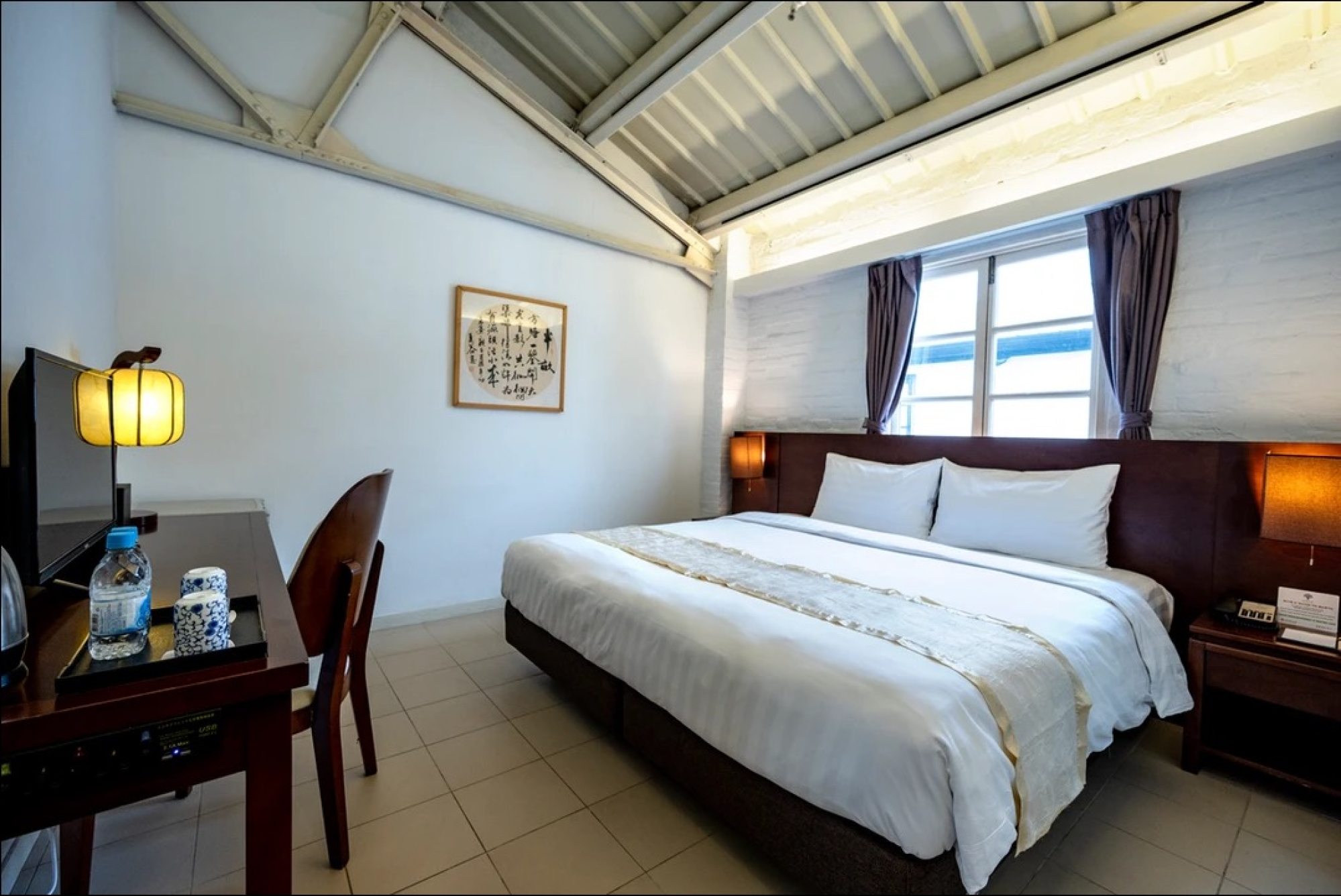
Visitors keen on leaving the hustle and bustle of the city and immersing themselves in a different side of Hong Kong may find what they are looking for at Heritage Lodge, an 89-room hotel in Lai Chi Kok that is part of the Jao Tsung-I Academy.
The 32,000 square metre (344,000 square foot) complex consists of around 20 red-brick buildings with Chinese double-tiled roofs. In the late 19th century, it was a customs station for the Qing government.
In the following decades, the British used the compound as living quarters for Chinese labourers before it became a quarantine station, a prison, and then, in 1938, an infectious disease hospital and psychiatric rehabilitation centre known as Lai Chi Kok Hospital.
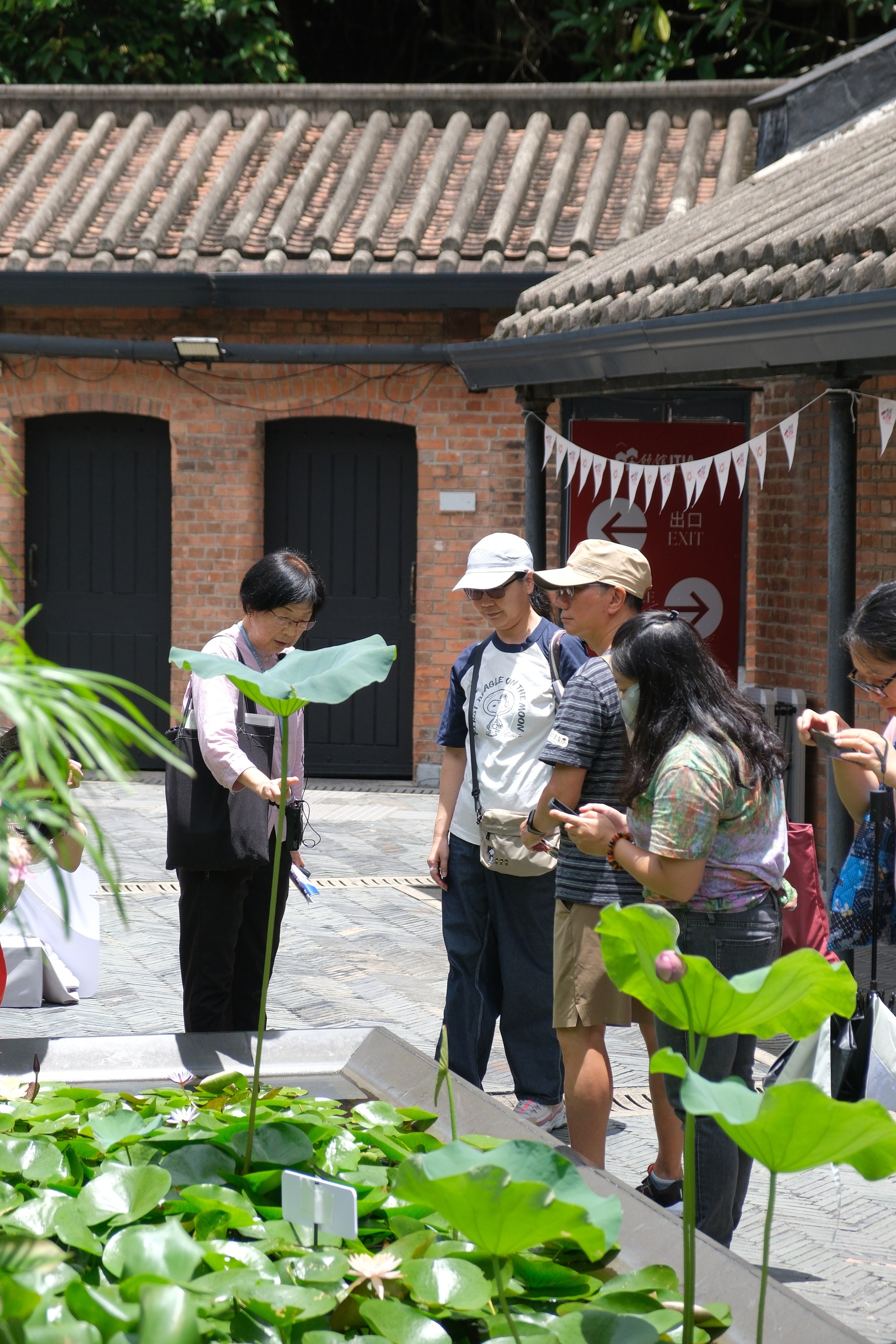
Guided tours of the complex – available to Heritage Lodge guests as well as the general public – are conducted in Cantonese every Friday at 2pm and on Saturday at 11am, 2pm and 4pm. English and Mandarin tours can be arranged upon request.
Elsewhere in the compound are a cafe, a studio, a theatre and an exhibition space in which many of Jao’s paintings and calligraphy works – in varying styles from different periods of Chinese history – are displayed.
Performances, events and weekend markets are also held at the Jao Tsung-I Academy.
Nearby is Kau Wah Keng Old Village, a Hakka hamlet that is more than 300 years old.
The Heritage Lodge website advises guests to take a stroll around the village, which is notable for an ancestral hall built in the 1900s for a favoured son of Kau Wah Keng, and particularly at Lunar New Year, which is celebrated with a unicorn dance.
link